(Based on paper presentation in 76th Congress of International Homeopathic Medical League in October 2023 at Bogota, Columbia)
Major interventions including lockdowns, social separation, quarantine, and vaccination likely helped to mitigate the increase in the COVID-19 pandemic.1 But with subsequent propagation of the virus with mutations, causing a surge in the infection rates, the pandemic kept returning with a new wave of outbreaks undermining all the efforts to stop the pandemic.2
The presentation of the pandemic varied significantly across the globe. The variance in pandemic behavior is probably due to a mix of identified factors, such as the high mutation rate of RNA viruses, and unidentified causes.3 The pathogenic capability of a virus can be altered by adaptive mutations in its genome. Even a single amino acid substitution significantly impacts a virus’s ability to elude the immune system, while adapting to its new human hosts with these mutations, leading to the creation of several variants with distinct characteristics from its original strains.4 The majority of patients during the first wave were elderly and presented with anorexia, dry cough, dyspnea, fever, and exhaustion. Those with co-morbid conditions such as diabetes, hypertension, coronary heart disease, and chronic kidney disease had less favourable outcomes.5 Evidently, the vaccinated population also responded differently. During the pandemic’s second and third waves, re-infection and illness after vaccination were widespread.6 The younger population suffered more, even without significant comorbidities. The second wave had severe symptoms with higher mortality while the third wave displayed milder symptoms.7
The global impact of the COVID-19 pandemic indicated that the countries had poor preparedness and there were resource shortages for managing a pandemic, such as insufficient ICU beds, ventilators, personal protective equipment for health professionals and effective treatment modalities.8 The initial wave struck the health systems hard, overwhelming hospital facilities, especially intensive care units (ICUs). As different SARS-CoV-2 genotypes developed during the pandemic, the risk of hospitalization also changed. During the second and third waves, scientists and clinicians gained a better knowledge of COVID-19, potentially leading to improved treatments. However, it remains unclear if this resulted in better outcomes.9 For COVID-19 treatment, a range of therapeutic alternatives were available, including antiviral medications, anti-SARS-CoV-2 monoclonal antibodies, anti-inflammatory pharmaceuticals, and immunomodulators. However, not all COVID-19 patients were eligible for treatment with these drugs since the efficacy of these treatments depends on the severity of the sickness or certain other factors that may render the treatment ineffective.4 Given this problem, various studies have been conducted elaborating the effectiveness of homeopathy in treating COVID-19 as an adjunct or stand-alone therapy in the subsequent waves10–13 and for the breakthrough COVID-19 infection14; but to the best of our knowledge none of them curated the data of all the three waves showing the clinico-symptomatic profile of the patients with their respective homeopathic intervention and treatment outcomes. Also, no other homeopathic study assessed the quality-of-life post COVID-19.
The present study aimed to compare the clinical recovery and time to turn RT PCR negative after homeopathic treatment among the three cohorts of the COVID-19 pandemic from 2020 to 2022. Secondarily, the frequently used remedies among the three COVID-19 waves were studied and compared. The impact of homeopathic intervention on the treatment outcome of COVID-19 was also evaluated. Finally, the study desired to assess the HRQL (Health-Related Quality of Life) after 1 year of the pandemic amongst the survivors treated with homeopathy.
This was an interventional retrospective cohort study among the three Covid waves in a clinical outpatient setup. No statistical sample size calculation was made and the sample size was equal to the number of patients consulting for homeopathic intervention at the Holistic Homeopathic Clinic & Research Center, New Delhi, India between 1st March 2020 to 31st May 2022.
This study followed the 1964 Helsinki Declaration and its later amendments, or comparable ethical standards. Informed consent was obtained from each patient prior to initiation of the treatment.
The demographic details (age and gender), comorbidities, course of the illness (onset of symptoms and progression), and a thorough clinical evaluation of each patient with corresponding haemato-biochemical, radiological, and virological investigations were collected/conducted and reviewed before initiating treatment and at each successive follow-up. HRQoL was assessed using a self-administered survey RAND-36 (SF-36)15, which evaluates physical functioning (PF), role-functioning/physical (RP), pain (P), general health (GH), energy/fatigue (EF), social functioning (SF), role-functioning/emotional (RE), and emotional well-being (EW), which were modified with additions in the context of COVID-19 sequelae and health change (HC) in the past year. Scale scores are summed and transformed into scales ranging from 0 (worst possible health state) to 100 (best possible state). Later the data was anonymized and digitally stored for analysis.
All the patients who consulted had: 1. Laboratory confirmed COVID-19 infection with positive RT-PCR; 2. Positive inflammatory markers (S. Interleukin 6, C-reactive protein, D-Dimer, S. Ferritin, S. Procalcitonin, and S. Lactate dehydrogenase); 3. And/or positive radiological evidence (HRCT Chest) [even those with negative RT-PCR were included in the study]. Patients with a lack of clinical data, no successive follow up and/or informed consent were excluded.
The prescriptions were a single homeopathic medicine determined according to the patient’s individualized anamnestic clinico-symptomatic profile or homeopathic characteristic data, which was obtained while recording the observable signs and symptoms of each patient, the possible psycho-emotional and environmental triggers, symptomatic and personal modalities and altered generalities, thermal reactions, disposition, and behavior patterns. A few of those patients who were already on conventional medications (home quarantined or hospitalized) were taken off those medicines under close monitoring. Wherever required, oxygen concentrators or O2 support were advised.
Statistical analyses were performed using SPSS version 29. Descriptive statistics were used to compare patient demographics, clinical symptomatology, and outcomes between the successive pandemic waves. WHO Clinical Progression Scale16 was utilized to categorize the COVID-19 patients into mild, moderate, severe, and critical categories; and were later employed to document the improvement post-homeopathic intervention. Chi-square test was used to compare the association between homeopathic treatment and the change in the severity score of the patients between day one and four of treatment. The Kaplan-Meier curve was utilized to determine the recovery time and time taken to turn the RT-PCR negative post homeopathic medication in each of the Covid-19 waves.
The primary outcome measure was to observe the time to turn the RT PCR negative after homeopathic intervention among the three cohorts. Secondary outcomes were tested in the hierarchical order: duration of reduction in the severity score post homeopathic intervention; the impact of homeopathic intervention in improving the quality of life and reducing the sequelae 1 year after COVID-19; the impact of homeopathic intervention on treatment outcome and a comparison of the frequently used remedies among the three cohorts.
A total of 2204 patients complying with the inclusion criteria during the observation period were included for the final data analysis: 592, 910, and 702 patients in the first, second, and third waves respectively. The median age of the patients was 39 years. More of the patients in this study were females (53.13%).
The demographics and clinico-symptomatic profile of the patients are shown in Table 1. The second wave impacted mostly the adult age group (31–50 years age), especially in patients with comorbidities. All three waves had different clinical presentations, viz., a varying symptom predominance relative to organ systems.
Table 1: Demographics and Clinico-Symptomatic Profile of the Three Covid Cohorts
| Age Group | Wave 1 | Wave 2 | Wave 3 |
| < 18 years | 72 | 81 | 56 |
| 19–30 years | 68 | 74 | 91 |
| 31–40 years | 98 | 309 | 219 |
| 41–50 years | 128 | 258 | 137 |
| 51–60 years | 145 | 139 | 121 |
| > 60 years | 81 | 49 | 78 |
| Gender | Wave 1 | Wave 2 | Wave 3 |
| Males | 195 | 333 | 296 |
| Females | 325 | 496 | 350 |
| Children | 72 | 81 | 56 |
| Symptoms | Wave 1 | Wave 2 | Wave 3 |
| Constitutional Symptoms | |||
| Myalgia or arthralgia | 211 | 544 | 478 |
| Fever | 500 | 863 | 616 |
| Chills and rigors | 239 | 456 | 369 |
| Fatigue | 412 | 786 | 567 |
| Blood pressure fluctuation (higher than usual) | 89 | 790 | 101 |
| Blood glucose (higher than usual) | 94 | 678 | 89 |
| Pale, gray, or blue-colored skin, lips, or nail beds (cyanosis) | 11 | 29 | 2 |
| Loss of appetite | 579 | 786 | 576 |
| Psychological / psychiatric manifestations | 45 | 57 | 28 |
| Lymphadenopathy | 48 | 51 | 105 |
| Conjunctivitis | 66 | 59 | 230 |
| DIC / DVT / PTE | 46 | 79 | 10 |
| GIT Symptoms | |||
| Retrosternal burning | 280 | 189 | 111 |
| Nausea | 456 | 320 | 488 |
| Vomiting | 461 | 289 | 78 |
| Abdominal pain | 256 | 138 | 59 |
| Constipation | 89 | 57 | 38 |
| Dryness of mouth | 186 | 211 | 380 |
| Loss of taste / bad taste | 422 | 350 | 104 |
| Liver dysfunction | 49 | 123 | 39 |
| Diarrhea | 462 | 199 | 119 |
| Respiratory Symptoms | |||
| Nasal blockage | 451 | 218 | 650 |
| Epistaxis | 19 | 23 | 10 |
| Sneezing | 212 | 189 | 512 |
| Loss of smell | 299 | 556 | 318 |
| Nasal coryza | 419 | 419 | 519 |
| Sore throat | 223 | 549 | 688 |
| Cough | 239 | 456 | 679 |
| Chest discomfort / pressure | 345 | 789 | 512 |
| Shortness of breath | 89 | 798 | 101 |
| Hemoptysis | 3 | 19 | 8 |
| Lower urinary tract symptoms (LUTS) | 321 | 799 | 78 |
| Respiratory distress | 350 | 834 | 62 |
| Pneumonia | 312 | 769 | 99 |
| Lower Urinary Tract Symptoms (LUTS) | |||
| Lower urinary tract symptoms (LUTS) | 321 | 799 | 78 |
| Central Nervous System Symptoms | |||
| Anxiety | 148 | 235 | 76 |
| Confusion | 1 | 79 | 10 |
| Inability to wake or stay awake | 4 | 35 | 19 |
| Headache | 299 | 88 | 69 |
| Meningitis | – | – | – |
| Stroke | 1 | 5 | – |
| CNS disorders (other) | 3 | 7 | 1 |
| Comorbidities | |||
| Diabetes | 59 | 78 | 43 |
| Hypertension | 49 | 86 | 37 |
| CVS disorders | 19 | 30 | 13 |
| Chronic pulmonary disorders | 18 | 58 | 38 |
| Kidney disorders | 14 | 29 | 19 |
| Cancer | 6 | 11 | 3 |
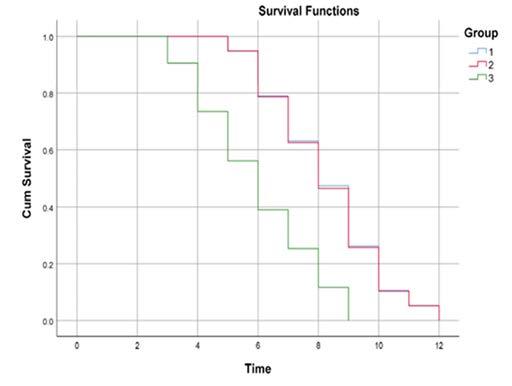
Kaplan Meier analysis revealed the median time (in days) ± SE to turn RT PCR negative was significantly earlier in wave 3 than in waves 1 and 2 (wave 1: 8 ± 0.10, 95% CI: 7.8 to 8.2; wave 2: 8 ± 0.09, 95% CI: 7.8 to 8.2; wave 3: 6 ± 0.11, 95% CI: 5.7 to 6.2; P = 0.0001). (See Figure 1.)
The WHO Clinical Progression Scale elicited marked improvement through days 1 to 4 post homeopathic intervention as most patients turned from severe to mild category on day 4 among all three waves. (See Figures 2a and 2b.)
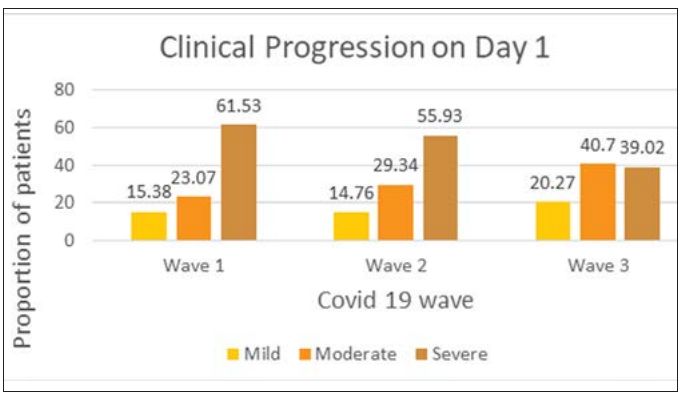
Figure 2a: WHO Clinical Progression Scale – clinical progression of the patients on Day 1
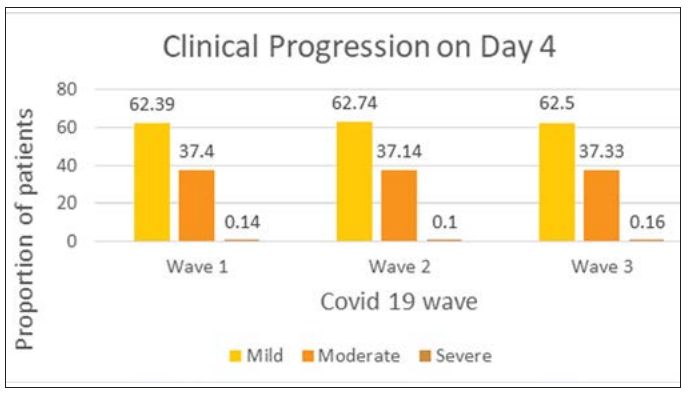
Figure 2b: WHO Clinical Progression Scale – clinical progression of the patients on Day 4
Chi-square test indicated that there was a significant decrease in proportion of patients in severe category and increase in mild category in all the three waves after day 4 of treatment:
Wave 1: χ² = 356.43, P < 0.00001
Wave 2: χ² = 785.21, P < 0.00001
Wave 3: χ² = 652.46, P < 0.00001
Chi square values for each wave indicate significant differences in survival distributions for the 3 cohorts being compared, with P-values consistently being very small (<0.00001), thus suggesting a strong statistical significance in each wave. The Log Rank (Mantel-Cox) test statistic of χ² = 572.391 and a P-value = .000 (or <0.0001) is highly significant, implying the overall difference among the survival distributions for the three cohorts, which in turn suggests that survival outcomes are significantly affected by the cohort to which the individuals belong. (See Figure 2c.)
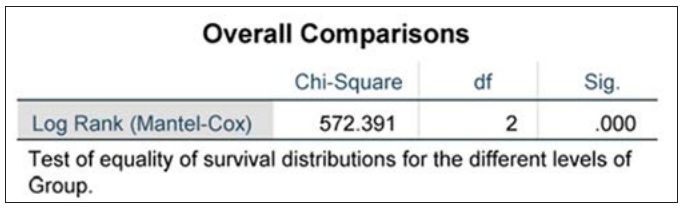
Figure 2c: Overall comparison of the data in all three waves
The cure rate for COVID-19 patients who received homeopathic treatment was 99.18%, while the completion rate was 99%. There were no reported mortalities. 2204 patients had a successful COVID-19 treatment outcome in the current study. (See Figure 3.)
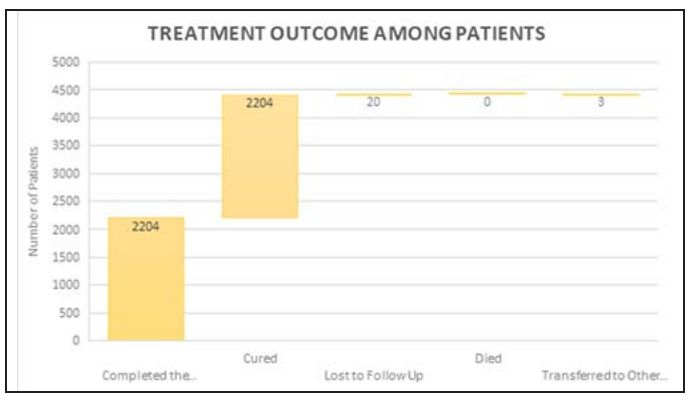
Figure 3: Treatment outcome in the COVID-19 patients
Men had better scores than women on all RAND-36 scales, although the differences were insignificant. There were significant differences in all RAND-36 scales by age group. Pain was significantly worse at the ages of 41–50 years compared with those aged 19–30 or 51–60 years as compared to their pre-COVID-19 time. As expected, decreases in physical health were observed with increasing age and substantially worse scores were seen in the oldest age groups (> 60 years) compared to those aged 19–49 years. The decline by age was most prominent for physical functioning. Differences between age groups were noted for the mental health scales however; better energy/fatigue and emotional well-being scores were seen in the older age groups. People aged between 41–60 years reported significantly better energy compared to all other age groups, including the younger adults (19–30 years). Social functioning scores were roughly equal among all age groups. No significant differences in role-functioning/emotional scores were observed among the age groups. Emotional well-being scores were significantly better in those > 60 years compared to the younger and middle-aged.
Based on the individualizing characteristics, 73 homeopathic remedies in total were prescribed singly during the three Covid waves. (See Figures 4a–d.)
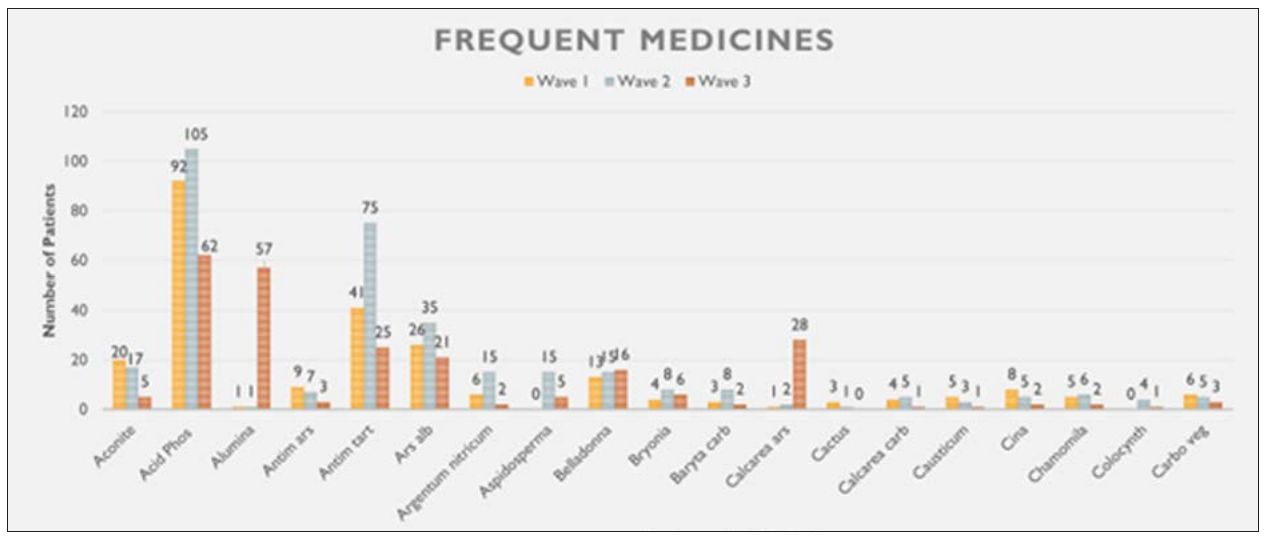
Figure 4a: Prescribed remedies among the three COVID-19 waves – frequent medicines (Aconite to Carbo veg)
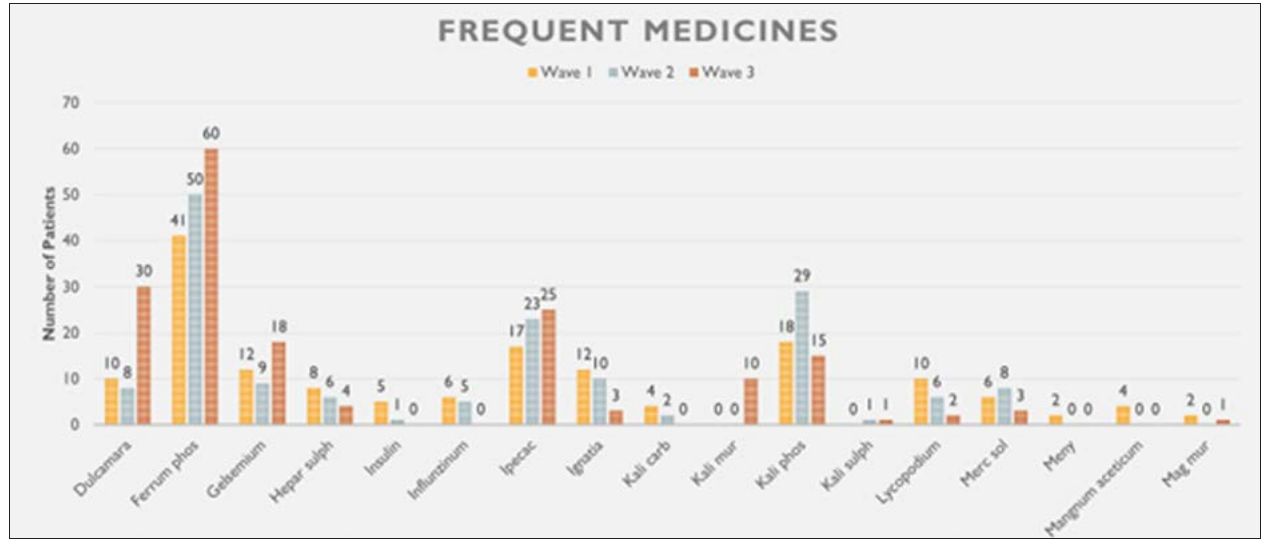
Figure 4b: Prescribed remedies among the three COVID-19 waves – frequent medicines (Dulcamara to Mag mur)
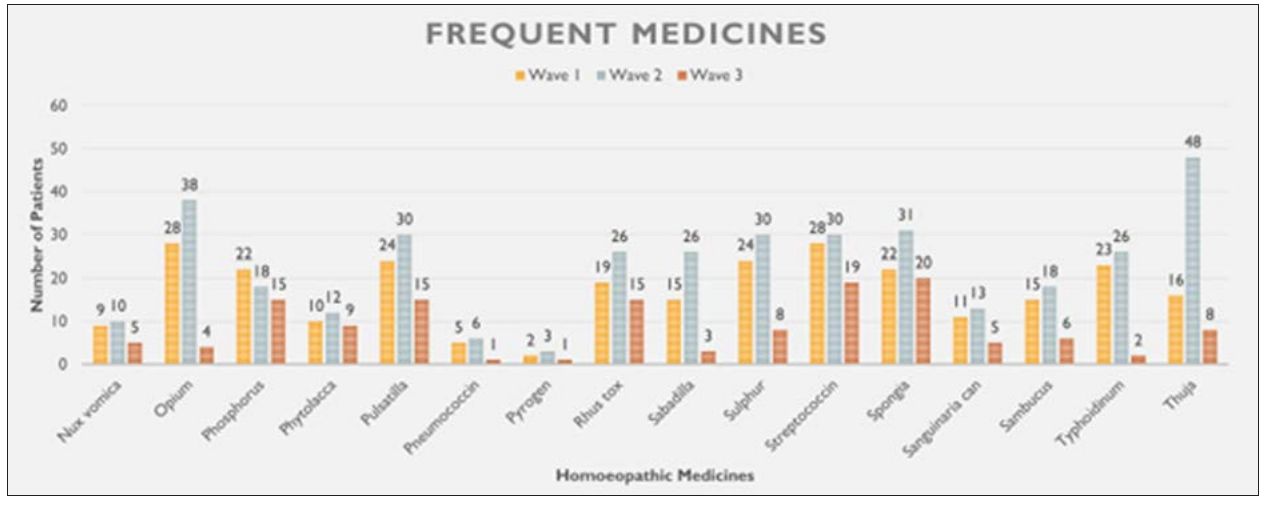
Figure 4c: Prescribed remedies among the three COVID-19 waves – frequent medicines (Nux vomica to Thuja)
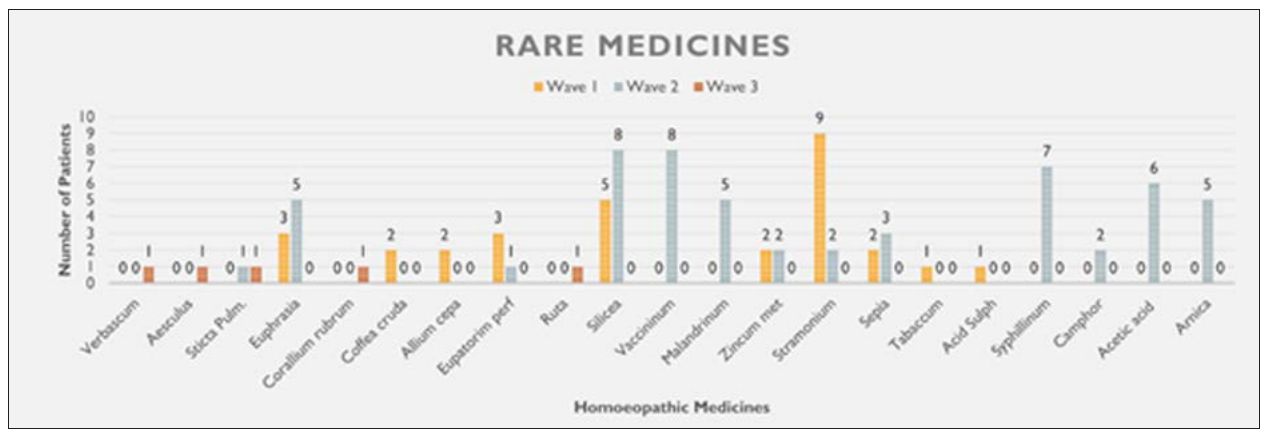
Figure 4d: Prescribed remedies among the three COVID-19 waves – rare medicines
This was a longitudinal, community-based cohort study. Though not diversified geographically and socio-demographically, participants in the cohort came from the NCR region of India, a pandemic hotspot. Demographic differences were observed between the waves, with patients being older and with more illness among patients with comorbidities in the second wave than the other two. Despite the lack of an established medical standard, a number of healthcare organizations and Ministries of Health from around the world suggested the use of homeopathy for COVID-19 prevention and treatment.17
The SARS-COV-2 outbreak began in Wuhan, China, following the development of the first case in December 201918; nevertheless, the first wave was discovered globally in March 2020.19 The first wave was seen as a calamity that had a wide-ranging impact on all aspects of life, posed a severe public health concern, and disrupted worldwide social and economic activity. The global economy suffered greatly; decent production was virtually halted in all areas, and the jobless rate skyrocketed. Another societal concern emerged, such as an increase in family violence among children as a result of their prolonged time inside their homes.20 Therefore, it was observed that a lesser number of patients could confidently opt for homeopathic treatment, hence the reported number of participants were fewer. Psychological sequelae were more common after the first wave.
As some experts expected, the second wave struck the countries with far greater force than the first.21 The possible cause of the robust second wave was not a relaxation of intervention, but rather the failure to enforce interventions, as occurred in India.22
Observing the trend in the first wave, a large number of patients came in during the second wave for homeopathic intervention.
The third wave of COVID-19 saw various global alterations and unique aspects, such as an increase in infected numbers owing to familial connections. Additionally, the widespread availability of fast antigen tests aided in rapid detection and seclusion while serious infections and death rates were lower than in preceding waves. The most remarkable aspect of this outbreak was the discovery of a novel strain (B.1.1.529)23 with increased potential transmissibility, making re-infections more common. These various mutations that developed within the viral genome were the main trigger of the third wave, as well as social activities and encounters between persons who did not take the necessary measures.4
The results show an array of homeopathic remedies which were indicated and successfully prescribed as the homeopathic intervention in the COVID-19 pandemic involving all three waves. Due to fixed principles, a law of cure, and a wide range of medicines, the homeopathic intervention shows capacity of our system for treating the pandemic over all the three waves. Interestingly, some rare remedies were also indicated in a cases.
Our study discovered that individualized homeopathic medicine significantly improved clinical recovery and early symptom resolution.
Homeopathy greatly minimized the time to clear fever, lowering the need for antipyretic medications. It was also shown that symptoms such as dyspnea, sputum output, weariness, and headache resolved dramatically and early as expected in the disease’s course post homeopathic intervention. Through the presented results, it may be inferred that the requirement for oxygen / ventilatory support was minimal in the patients and hospitalization was seldom required. Resolution of pneumonia alleviated faster as compared to the usual course of the disease. This was not statistically analyzed due to a lack of follow-up chest HRCT in each patient, yet clinical evidence during the follow up and significant reduction in symptoms related to pneumonia were evident.
There was no reported mortality in our study. Post COVID-19 complications were also significantly lower in the patients treated with Homeopathy. The reported data considered the analysis of the patients treated exclusively with homeopathy irrespective of the category of the illness. The pandemic’s impact on the population’s mental health and physical disability has raised serious concerns.24,25 As the epidemic proceeded and more patients recovered from COVID-19, it became clear that post-COVID symptoms posed a healthcare burden. However, post homeopathic intervention no such disabilities were observed in the representative proportion of the population in our data set.
This outcome of this study underlines the effectiveness of homeopathic treatment among such cases.
Small sample size representing only a small proportion of the population.
The study covers only a small geographical area so how the patients belonging to the other areas would have responded to the intervention has not been tested.
Lack of a comparative group limits the elaboration of effective intervention in the present study.
The study did not estimate the viral load and the time to its clearance post homeopathic intervention.
Evidence before this study: We searched for original peer-reviewed studies (from March 2020 to June 2022) investigating the trends and changes in the interventional practices between pandemic waves in COVID-19 patients specifically using homeopathy. Data about the search throughout the COVID-19 pandemic is scarce. Most of the available data describes trends in a single pandemic wave using homeopathy during a short study timeframe. We found no large-scale studies involving COVID-19 patients using homeopathy during the pandemic, evaluating the differences in outcomes between different waves.
Added value of this study: In a single-centre cohort study we could find significant differences in the morbid presentation between the first, second, and third waves. Also, the outcome using homeopathy was different among the three consecutive waves with early recovery and rare sequelae.
Implications of all available evidence: Morbidity rates were significantly decreased between the first, second and third waves of the pandemic post homeopathic intervention. These findings hold major relevance for the domain of critical care and public health, as most of the previous scientific research reporting a drop in case fatality rates were undertaken across shorter study periods with peaks rather than throughout all the waves. Further research is needed to identify strategies to integrate homeopathy into mainstream medicine to prevent healthcare system overload during a pandemic.
The early recovery time and fewer or no remnant cascade of events were observed post-homeopathic intervention. The findings of this study provide evidence for the clinical application of homeopathic medicines enabling their use in COVID-19 as a stand-alone or adjuvant therapy to help to improve patient recovery and reduce mortality. Accordingly, we believe this study highlights the need for greater strategic calibration of the utility of existing alternative therapeutics and pharmaceutical sciences during a pandemic rather than just relying upon conventional therapy alone.
Conflict of interests: NIL
Funding: NIL
1* Gyandas G. Wadhwani, M.D. (Hom), Consultant Homeopathic Physician & Independent Researcher, Holistic Homeopathic Clinic & Research Center, India. Editorial Board Member: American Journal of Homeopathic Medicine. Former Chief Medical Officer (NFSG) (H), Directorate of AYUSH (Homeopathic Wing), Government of National Capital Territory of Delhi, India. Former Senior Lecturer, Organon of Medicine & Homeopathic Philosophy, Dr B R Sur Homeopathic Medical College, Hospital & Research Centre, Govt. of National Capital Territory of Delhi, India. Member of Aude Sapere groups, South Africa and Delhi. Email: homeopathygyan@gmail.com. Web: www.drgyanhomeopathy.in
2 Aditi Chadha, B.H.M.S., Former Program Associate, Department of Pharmacovigilance, Dr. D.P Rastogi Central Research Institute for Homeopathy, Noida, Ministry of AYUSH, Govt. of India. Member Aude Sapere group, Delhi. Email: addyc340@gmail.com