Webinar: Perceiving Miasms as a Phenomenon
The Chronic Diseases, and Homeopathy
by Gyandas G Wadhwani M.D. (Hom)
Originally held on: April 11, 2026
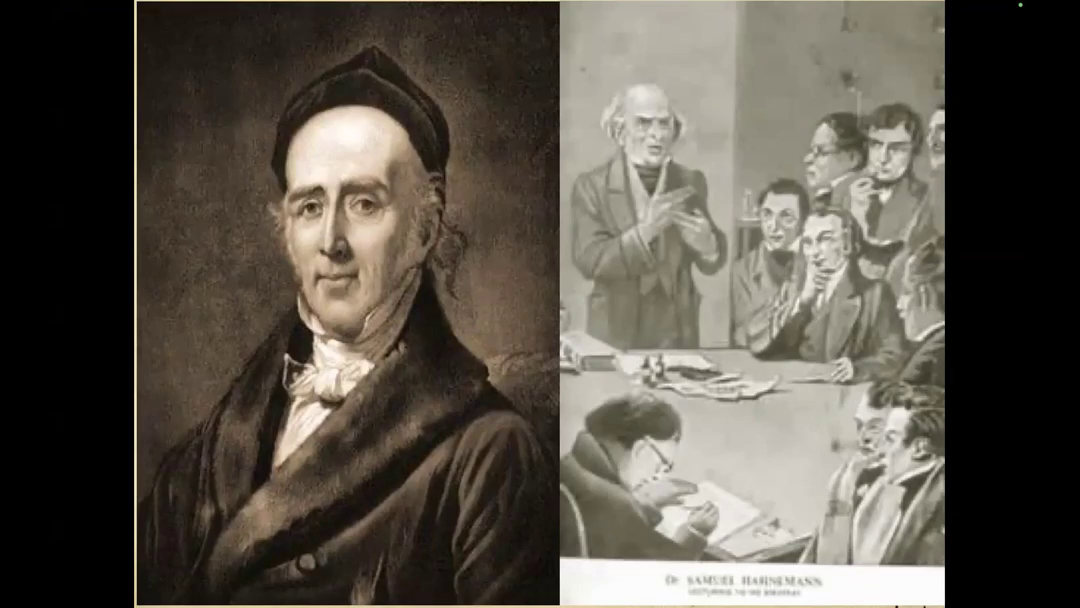
Hahnemann’s ideas on chronic diseases were presented to the world in his work, The Chronic Diseases, Their Peculiar Nature, and Their Homeopathic Cure (1828-1838). It provoked a hurricane of opposition, both outside the ranks of homeopathy and within. Fewer books have stirred up more excitement in the medical world than this. His conception of these diseases, and in particular his miasmatic theory, aroused criticism of friend and foe to a tremendous extent from the very moment of its publication. At this point, many of his adherents and students refused to follow him any further.
The Central Association of German homeopaths meeting in Frankfurt-um-Main in 1837, formally voted to condemn the concept of chronic diseases. Hahnemann himself was not surprised by the effect of his work on most homeopathic doctors. Before its appearance, he had written to Stapf, “They will require more than six months before they recover from fright and astonishment of this enormous, preposterous affair and they will perhaps need another six months before they will believe in it … It will therefore probably be three years before they can make any sensible use of it …”
While Hahnemann identified Psora, Sycosis and Syphilis, very soon Tubercular miasm was added, and currently many more have been enlisted, viz. cancerous, leprosy, AIDS, typhoid, etc. In homeopathic parlance, as on date (of today) there is less literature on Hahnemann’s perception of the chronic diseases; however, we find a plethora of writings on his miasmatic model. These provide some of the most fascinating interpretations, ranging from JT Kent’s spiritual elucidation influenced by Swedenborgian philosophy, to ML Tyler’s conception of parasitic micro-organisms, archetypal psychological and mythological explanations, and modern genetic and epigenetic theories.
Presented by: Gyandas G Wadhwani M.D. (Hom)
- Consultant Homeopathic Physician & Independent Researcher
- Holistic Homoeopathic Clinic & Research Center, New Delhi, India.
- Editorial Board Member: American Journal of Homeopathic Medicine
- Member Aude Sapere Groups: South Africa & New Delhi
- Former Chief Medical Officer (NFSG) (Homeopathy), Directorate of AYUSH
- Former Senior Lecturer, Organon of Medicine & Homeopathic Philosophy, Dr. B.R. Sur Homeopathic Medical College, Hospital & Research Centre, Govt. of National Capital Territory of Delhi, India.
NOTE: This webinar is available for FREE to all AIH Members.
Non-members can purchase access below.
Not a member yet? Join today!